
The Open Source Projects Turning Claude Code Into a 10-Person Dev Team
How solo developers are shipping faster than teams 10x their size
The creator of Claude Code runs 5-10 parallel instances daily. Not because he’s testing the tool—because that’s how he ships code at Anthropic.
When Boris Cherny’s workflow went viral last week, developers realized something: the ceiling on Claude Code productivity isn’t the tool. It’s how you orchestrate it.
I spent a week researching the open source ecosystem that’s grown around Claude Code. What I found changes everything about how to approach personal software development.
The Multi-Agent Revolution You Missed
While most developers use Claude Code as a chatbot that writes code, a parallel ecosystem has been building orchestration layers on top of it.
Claude-Flow has crossed 500,000 downloads with 100,000 monthly active users. It deploys 54+ specialized agents—coder, tester, reviewer, architect, security auditor—in coordinated swarms. Its self-learning SONA architecture remembers what works and routes similar tasks to top-performing agents automatically.
The result? 84.8% solve rate on SWE-Bench and 75% cost reduction through intelligent routing.
wshobson/agents takes a different approach: 108 specialized agents across 72 plugins, each loading independently at ~300 tokens. When you need Kubernetes architecture, you get three experts and five skills—not the entire system.
But here’s the kicker: CC Mirror revealed that Claude Code already contains a complete multi-agent orchestration system. No external dependencies needed. It positions Claude as “The Conductor,” decomposing work into dependency graphs and spawning background agents for parallel execution.
The native system was there all along. We just didn’t know how to access it.
The Workflow That Changes Everything
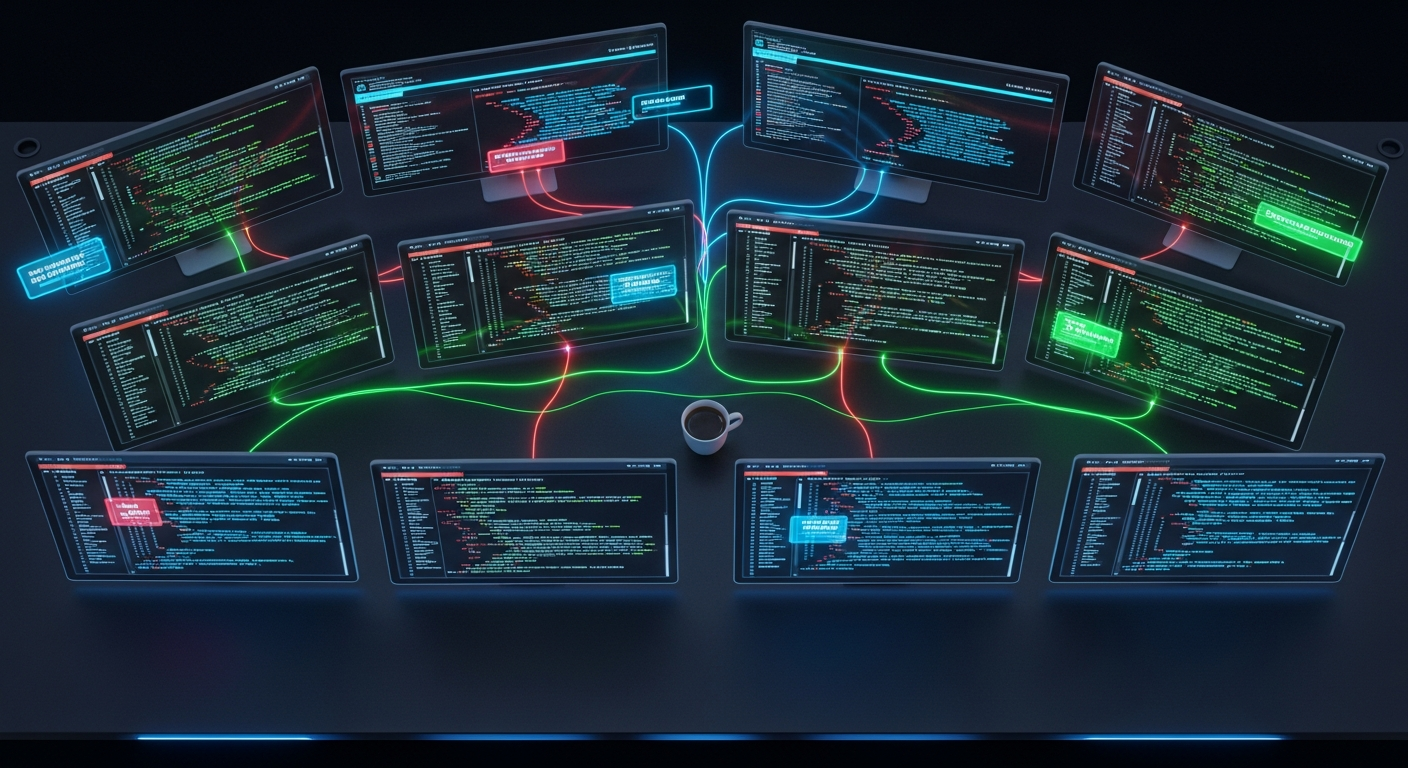
Boris Cherny’s setup is deceptively simple:
- Five Claude instances running in his local terminal
- Five to ten more on claude.ai
- Each instance uses its own git checkout (not branches—full copies)
- System notifications alert when Claude needs input
Why does this work? Because the bottleneck in AI coding isn’t token generation—it’s human time spent reading, debugging, and patching.
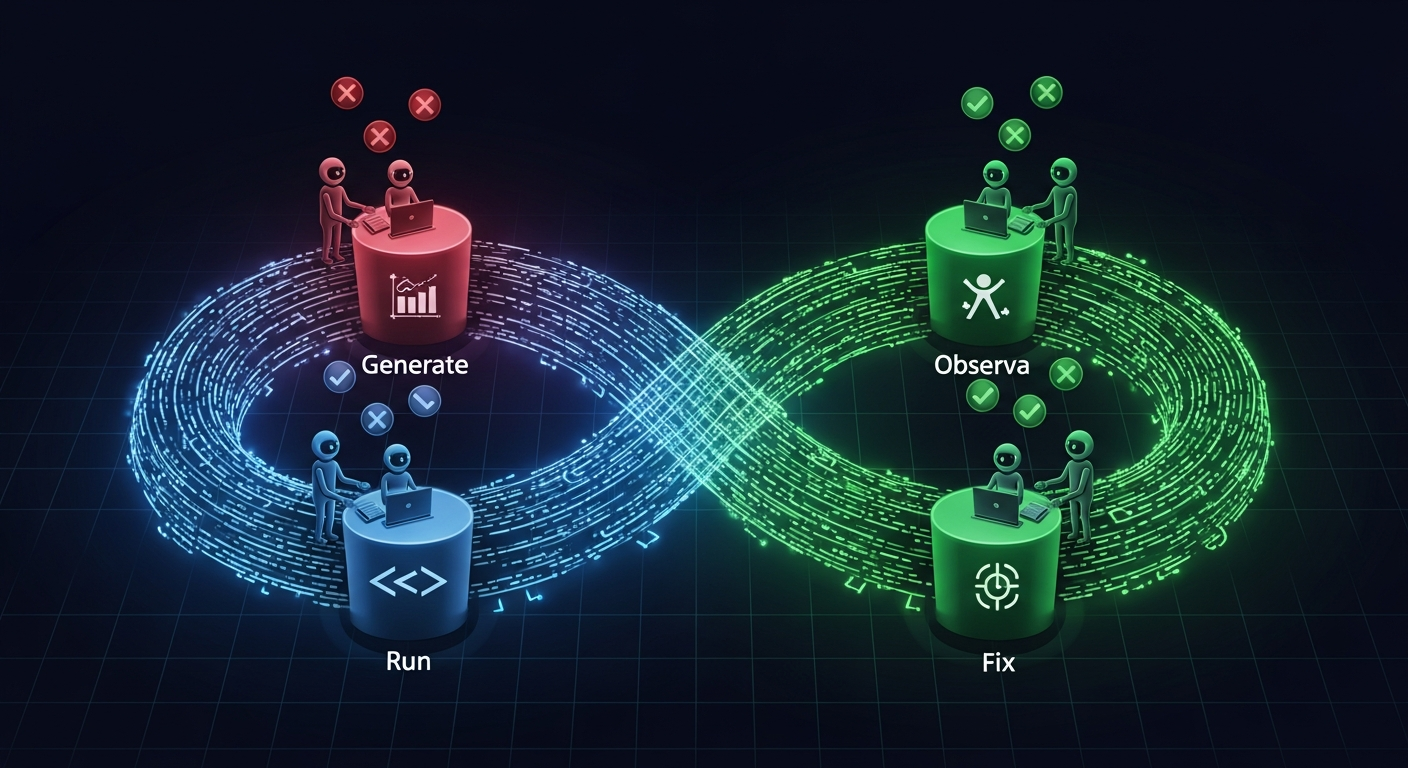
Cherny’s key insight: “Giving the AI a way to verify its own work improves quality by 2-3x.”
His PostToolUse hooks run formatters automatically. Test suites execute without prompting. Browser automation verifies visual changes. The AI doesn’t just write code—it participates in continuous verification loops.
This is the difference between an assistant and a development team.
The Minimal Context Paradox
Here’s what surprised me most: comprehensive CLAUDE.md files underperform minimal ones.
The logic seems backwards. More context should mean better understanding, right?
But large files consume tokens that could go toward actual work. They dilute instruction adherence through information overload. They include irrelevant guidance that confuses specific tasks.
Cherny’s team keeps their CLAUDE.md at roughly 2,500 tokens. They focus on documented mistakes and conventions—not comprehensive manuals. When someone catches a pattern worth sharing, they use @.claude tags on PRs to add it.
The takeaway: start minimal. Add incrementally from errors you actually encounter. Use @imports for situational context.
The Solo Developer Stack
For personal software development, here’s the stack emerging from this research:

For Orchestration: CC Mirror / Task Tool Start with what’s built-in. The Task tool spawns up to 10 concurrent agents, each with its own 200K context window. That’s effectively 2M distributed context when you need it.
For Quality: Minimal CLAUDE.md + Hooks Keep your memory file focused. Use hooks to enforce quality at commit time—not during writing. TDD Guard blocks commits without passing tests, forcing fix loops without interrupting flow.
For Execution: Parallel Sessions Use separate git checkouts for each Claude instance. Branches create merge conflicts. Worktrees share state. Full checkouts provide complete isolation.
For Capabilities: MCP Servers Filesystem, GitHub, and Playwright cover most needs. MCP Tool Search now enables lazy loading, reducing context usage by 95%.
For Workflow: Greg’s Loop Plan → Create → Test → Deploy → Clear → Repeat. Good tests grant courage for autonomous commits.
The Projects Worth Knowing
If you’re serious about leveling up:
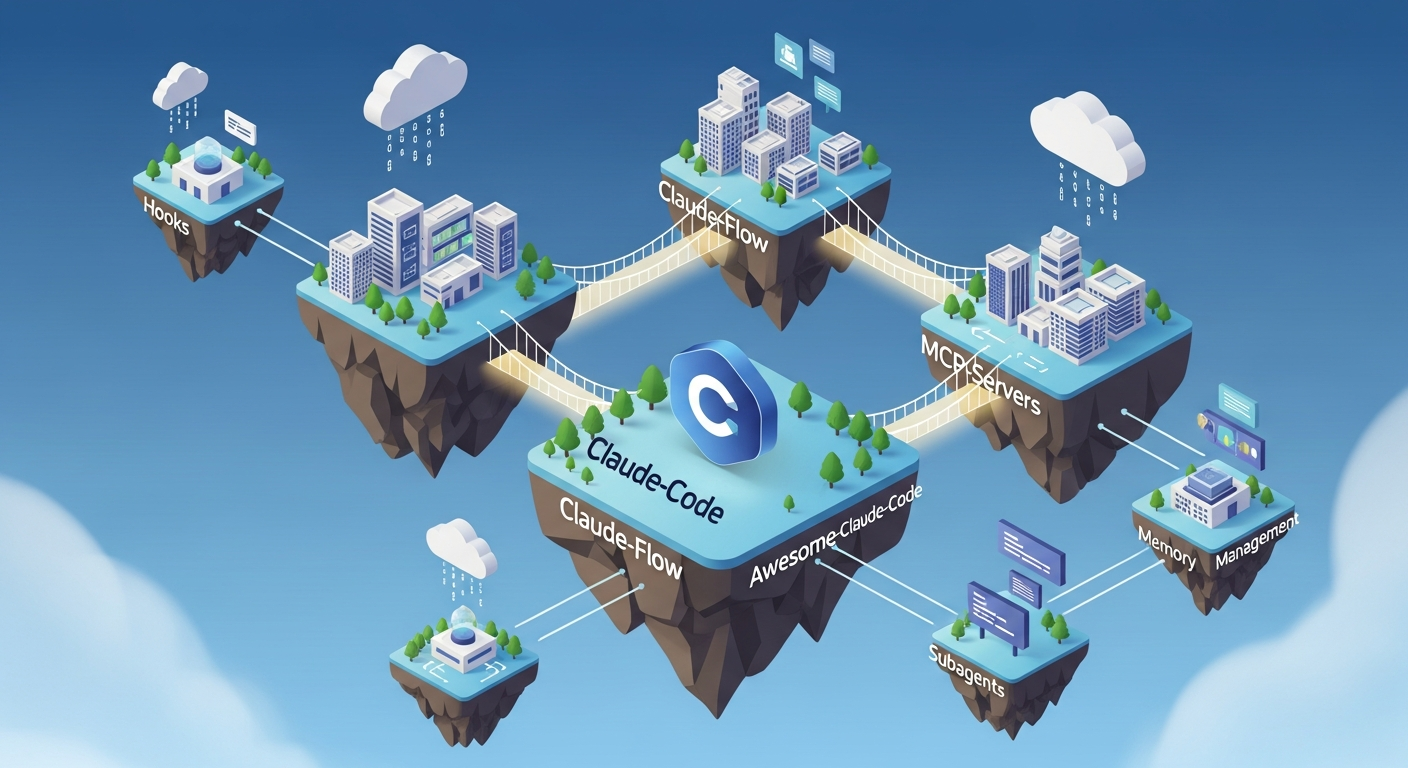
claude-flow - Full multi-agent orchestration with self-learning wshobson/agents - Modular plugin system with 108 specialized agents cc-sessions (1.5k stars) - Opinionated extension set for hooks/subagents Continuous Claude (1.1k stars) - Autonomous PR loop Trail of Bits Security Skills - Professional-grade auditing
For monitoring: ccflare - Usage dashboard with comprehensive analytics CC Usage - CLI tool for managing consumption
For the curated lists:
What This Means
Claude Code generates over $500 million in annual run-rate revenue. Usage grew 10x in three months. Solo developers and indie hackers are driving significant adoption because they’re seeing results teams can’t match.
The technology is production-ready. The ecosystem is mature. The patterns are documented.
The question isn’t whether Claude Code can replace a team. It’s whether you’ll learn to orchestrate it before your competition does.
Want to go deeper? The full research analysis with 18 sources and complete project breakdowns is available in my notes repository.